


As the Game Developer Conference enters its “Festival of Gaming’ arc during a volatile time for technology and games, the constellation of events that surround this key event on most game developers’ calendars are rolling with the changes.
Among them is a familiar name for indie developers and media and gaming enthusiasts: Courage.Events. We discuss Courage.Events, indie gaming, evolving game industry events, and more with Dr. Menno van Pelt-Deen, who is is a Game Design[er] Researcher and is one of the organizers behind Courage.Events. Let’s dive in!
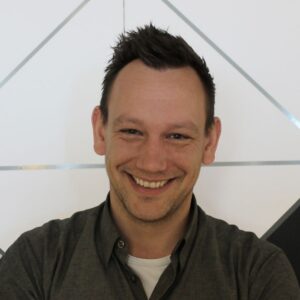
Events for Gamers (E4G): Hi Menno, first off, Courage.Events has grown and gained a reputation for its focus on the indie community, but there are also quite a few showcases for indie games. For you, what was the driving philosophy behind starting a dedicated game party and demo space specifically for independent developers?
Menno Deen (MD): It actually started as a ‘joke’. We were going to GDC on a Dutch Grant. Too late to apply for a showcase, I decided to throw my own party: Dutch Courage at the BeerCade in the Castro (ed: neighborhood in San Francisco). 400 people showed up. So I figured, I’ve got something going here. In 10 years we grew to 800-900 attendees in San Francisco and 4,000 in Cologne. I called it Dutch Courage, because you always need some courage (a drink) before heading into the battle field (GDC).
We like to keep things simple and financial valuable to indies. So 200 for a showcase spot (used for buyout, marketing costs, and some branding). 50 of that go directly to bar and are turned into drink tokens. I did not want ‘freeloaders’ to make my event stupid. People can pay for their own beer, but if they play a game… they may get a drink token from showcasers. It is up to them.
Since I feel it is courageous that you dare to show your game, we have a strict non-competition regulation. This means, we will now allow for “best of show” or “best of whatever prices” to get included in the showcase. Everyone should feel save, chill and relaxed. The week of GDC and Gamescom is hectic enough.
E4G: With the updated format for the GDC Festival of Gaming rolling out this year, how do you think it will affect Courage.Events, whether for event organizers, showcasing game developers, or attendees?
MD: I am happy with them appreciating the off site events that also make GDC an amazing week. I feel that with them as a partner we can grow both audiences and make an even more memorable week together for everyone!
E4G: How does Courage.Events distinguish itself from other indie showcases, and what’s your strategy for maintaining that “indie-first” atmosphere?
MD: What really sets Courage.Events apart is that we have been doing this for ten years on a very lean budget. That is intentional. We are not there to impress people with free drinks or flashy production. We are there for the games. If that was not the focus, we would not be doing this.

We also structure the evening very deliberately. The VIP Hour, from 7 to 8 PM, creates a calm and safe moment for publishers, investors, and press to engage with the games. It allows for real conversations before the venue fills up. Developers get meaningful time with key industry people, instead of fighting for attention in a crowded room.
After that, the doors open to everyone. The energy shifts, but the atmosphere stays relaxed. We always choose venues that feel informal and welcoming. No aggressive branding. No overwhelming noise. Music that allows you to talk. We want contact. It is a networking event, but it should feel human, open, and slightly underground. That is why we often use cool nightclub spaces. They bring character without becoming corporate.
Keeping it indie-first means protecting that balance. Small enough to feel personal. Focused on quality over volume. And always centered around the developers and their games.
E4G: With the growth of digital storefronts and online community building, how do you view the role of physical events like Courage.Events in an indie developer’s marketing and player-engagement strategy today?
MD: Physical contact between developers is still incredibly important. Even if you do not close a deal at the event itself, you strengthen your network in a very real way. What we often see is that people meet at Courage, and then run into each other again later that same week. That second meeting is warmer. The ice is already broken. Many friendships and collaborations have started that way.
Courage is not primarily about selling your game on the spot. It goes beyond pitching to a publisher. It is about meeting each other around your own work in a relaxed setting. That matters. Developers can show what they built, talk through their ideas, and connect without the pressure of a formal meeting room.
We are very much a business to business event, so direct player engagement is not the main focus. Instead, we act as a kind of soft landing before the conference week fully begins. Developers can test their pitch, show their game, get the nerves out, and build confidence. By the time they attend formal meetings later in the week, for example through MeetToMatch, they are already warmed up and connected.
In that sense, physical events are not competing with digital platforms. They complement them. They create trust, shared memory, and real relationships. And in the indie scene, that still makes a huge difference
E4G: With events in multiple locations, what’s the biggest logistical challenge you face in making sure of a consistent and high-quality experience for both developers and attendees at every Courage.Events stop?
MD: In principle, the format itself is not complicated. We are not building huge expo constructions with large booth structures. Developers sit at tables and people play games. The core setup is simple. That helps.
The real challenge is working internationally. You have to book venues far in advance, navigate different local partners, and deal with different ways of working. In San Francisco, for example, it took several years to build a smooth relationship with a venue. Gladly, the Great Northern was a direct hit.In Cologne, working together with Devcom has been very positive as well. Although I prefer direct contact with the venue, since it is always the most efficient. When there are intermediaries involved, logistics can become more complex. The simpler the communication lines, the better the event runs. Glad Devcom (now GamescomDev) is fantastic and easy to work with. I feel the Dutch – German connection makes it so easy.

We also always visit a location before committing to it. That was important in the early years. In Cologne we once had a venue that was charming but far too small. It became overheated, crowded, and uncomfortable. Since moving to a larger venue with outdoor space, including a garden and beer area, the atmosphere improved significantly. The space matters.
Of course, there are the usual event surprises. Tables delivered incorrectly. Equipment not matching the order. Once we received coffee tables instead of standing tables. You solve it and move on. That is part of organizing events.
But honestly, the biggest challenge is financial sustainability. Keeping the event affordable for developers while finding sponsors and securing payments on time is much harder than arranging tables or lighting. Maintaining quality while staying indie and accessible requires constant balancing. That is the real logistical puzzle.
E4G: The costs associated with showcasing can often be prohibitive for small teams. What approaches has Courage.Events tried to keep the showcases accessible and affordable for emerging and self-funded indie developers?
MD: Since we started ten years ago, we have only raised the participation fee by fifty euros. Back then it was 150 euros. After COVID we had to increase it to 200 euros simply to break even. Venue costs, bar guarantees, and production expenses have gone up significantly. Many developers understandably do not realize how expensive it is to rent a space, meet minimum bar commitments, and organize an event that takes months of preparation.
In reality, a large part of the organizational work is unpaid. Sponsorship is essential just to cover part of those hours. I could raise the price to 400 or even 500 euros. That would make my life easier financially. But then teams would feel pressure to sell enough copies or secure a deal just to justify attending. That is not the goal.
We keep the price low on purpose. Everyone contributes something manageable. In return, we keep the format lean. We avoid expensive booth constructions, rented large screens, and heavy branding. Developers bring their own setups. They design and decorate their own spaces. We do not offer free drinks as a standard. Instead we work with ‘play game get a drink rule’ that help us meet bar guarantees while keeping the atmosphere informal.
It requires creativity and discipline. You have to make smart choices when you do no budget. But that constraint is also what protects the indie spirit. Accessibility (financial) is not an afterthought. It is built into how we design the event.
The interview with Menno Deen continues on the following page!