


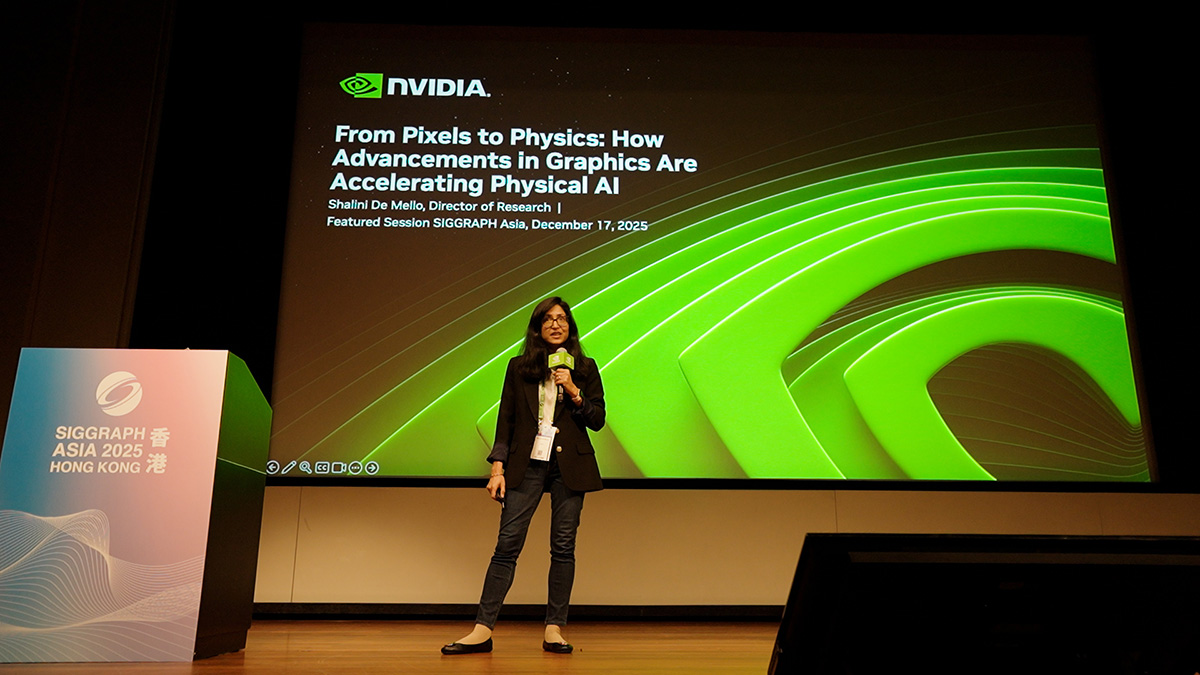
E4G: Generative AI has been disrupting content creation pipelines across gaming, film, and visualization, and, if anything, the process is accelerating. How is SIGGRAPH Asia 2026 addressing the tension between AI-driven automation and human artistry in its technical papers, courses, and exhibition floor? Are there dedicated tracks exploring ethical frameworks alongside technical capabilities?
Carrie de Souza: “AI is a major focus for SIGGRAPH Asia 2026, but we don’t see it as a choice between automation and human creativity.
We’re focusing on how AI is reshaping creative workflows, while also addressing questions around authorship, originality and ethics. Our goal is to bring researchers, technologists and creative practitioners together to explore not just what AI can do, but how we use it responsibly while keeping human creativity at the centre.”
E4G: Looking at interactivity and education, what programming or networking formats is SIGGRAPH Asia 2026 introducing to accelerate technology transfer from university labs to game engines, hardware manufacturers, and production studios?
Carrie de Souza: “Education is a key part of what we want to strengthen in 2026. We want SIGGRAPH Asia to help students and educators stay connected to where the industry is heading and not just through research, but through practical exposure to the latest tools, technologies and workflows.
We’re bringing together courses, technical sessions, demonstrations and industry interaction to create that connection. The goal is to give students a clearer path from what they learn in the classroom to how those skills and technologies are being used in real-world production.”
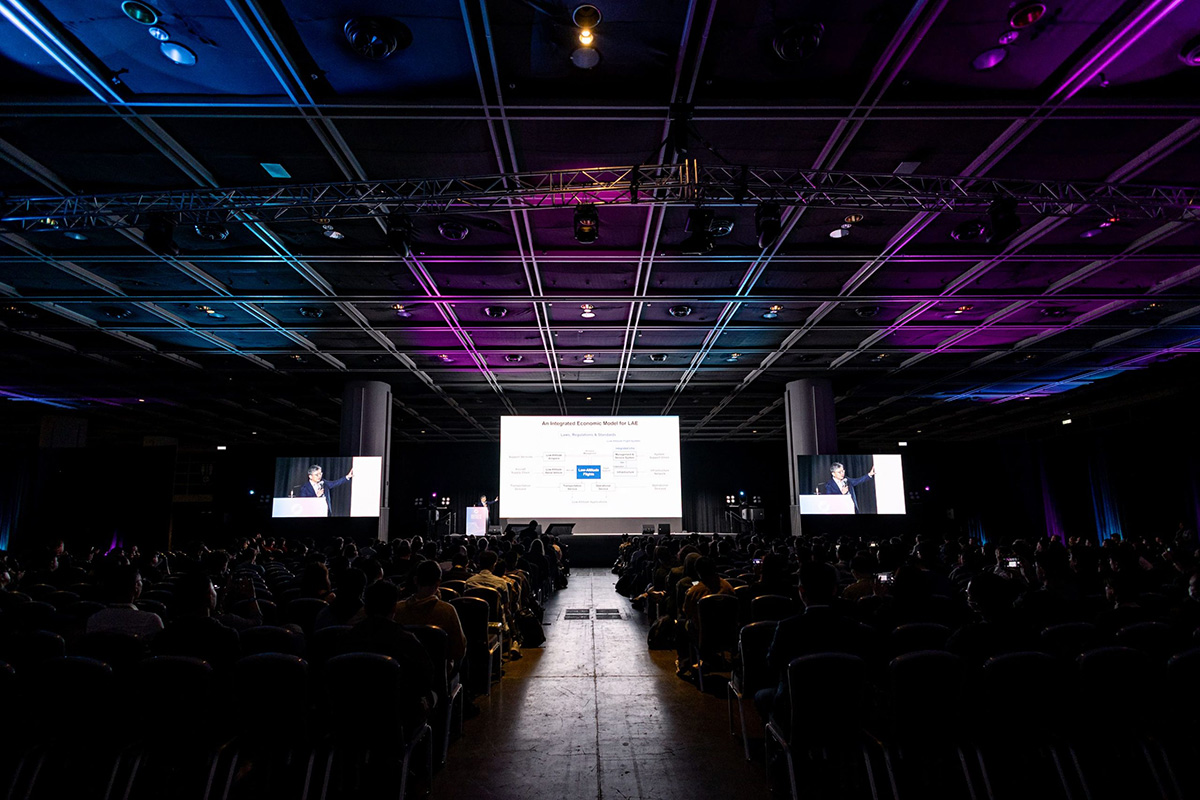
E4G: Is SIGGRAPH Asia 2026 expanding its educational mission—through workshops, mentorship programs, or student volunteer structures—to address workforce development for the next generation of graphics professionals?
Carrie de Souza: “Yes. We see SIGGRAPH Asia’s educational mission expanding beyond the traditional conference programme to play a more active role in workforce development.
In 2026, we’re looking to strengthen opportunities through programmes we already have, such as workshops, the Educators Forum and our Student Volunteer Programme, which connect emerging talent with experienced researchers and industry professionals.
The aim is to give the next generation not just access to knowledge, but practical experience, industry connections and a clearer pathway into careers in computer graphics and interactive technology.”
E4G: Cloud gaming, spatial computing, and neural rendering are steadily gaining traction. Which of these emerging platforms (or others) is SIGGRAPH Asia 2026 betting on as a focus of its technical program, and do you believe the exhibition floor reflects where the industry is heading rather than where it has been?
Carrie de Souza: “We’re seeing strong interest across several areas, particularly AI, neural rendering, real-time graphics, spatial computing and virtual production. Rather than betting on one particular platform, SIGGRAPH Asia 2026 is looking at the technologies that are shaping the next generation of graphics and interactive experiences.
And yes, we want the exhibition floor to reflect where the industry is heading. It should be a place where attendees can see emerging technologies in practice, meet the companies developing them, and understand how they are moving from research into real-world applications.”
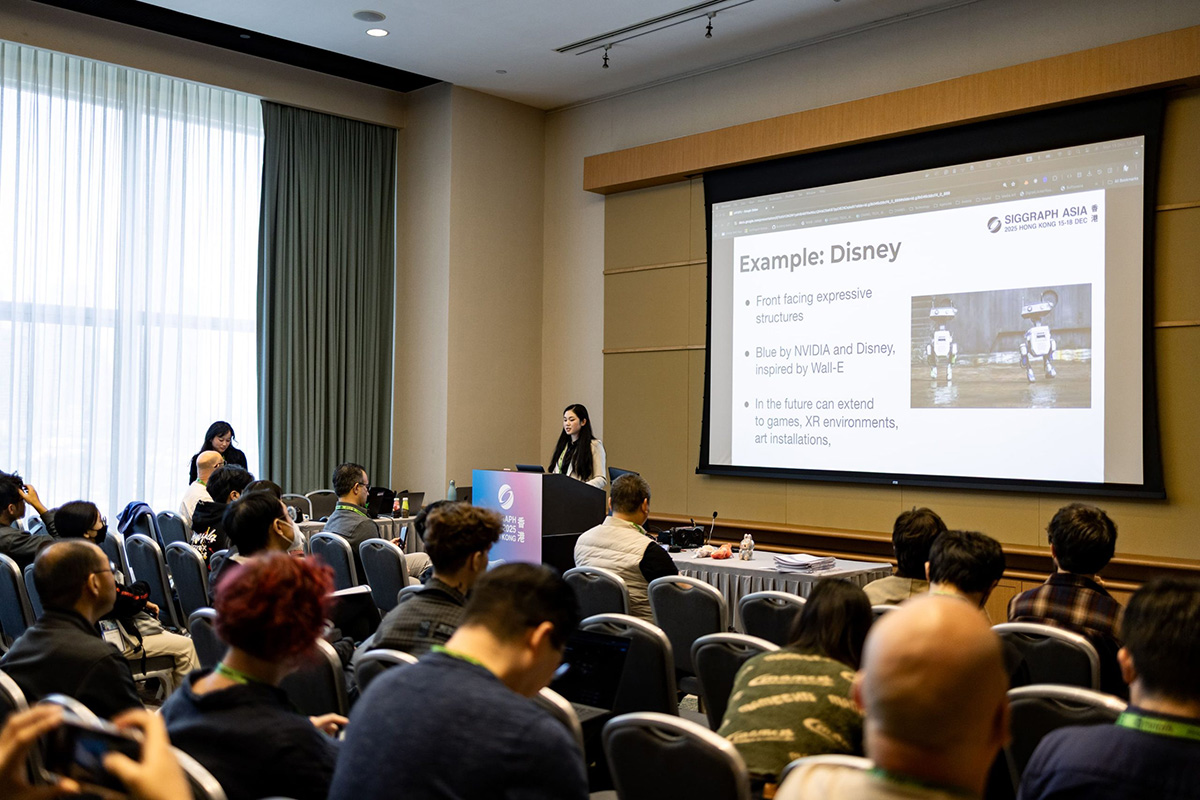
E4G: As hybrid and virtual attendance options have normalized post-pandemic, how has SIGGRAPH Asia’s attendee mix and revenue model adapted? Are you seeing regional preferences for in-person networking that differ from Western conferences, and how does that help shape your 2026 strategy?
Carrie de Souza: “We’ve definitely seen that the value of SIGGRAPH Asia goes beyond the content itself. The opportunity to meet researchers, industry professionals, students and potential collaborators in person remains a very important part of the experience.
While digital and hybrid formats have expanded how people can access content, we see strong demand for face-to-face engagement across the APAC region. That has reinforced our focus on making the physical event more interactive and valuable through networking, demonstrations, workshops and opportunities for direct industry connection.
For 2026, our strategy is therefore not simply about hybrid versus in-person. It’s about using digital access to extend the reach of SIGGRAPH Asia, while making the in-person experience something people have a clear reason to attend.”
E4G: What is SIGGRAPH Asia’s unique value proposition for game developers and graphics professionals in 2026, as compared to other events with a specific development focus? How do you boost relevance when specialized conferences, such as in game development, can offer deeper dives?
Carrie de Souza: “For 2026, we’re making gaming and interactive experiences more visible within SIGGRAPH Asia, while keeping our strength in research and emerging graphics technology.
The differentiation is in that combination, bringing together AI, real-time rendering, neural graphics, VFX, animation and immersive technology, alongside leading researchers, practitioners and industry from across APAC.
With our theme, “Weaving the Future,” we’re looking at how these technologies and disciplines connect to shape what’s next for games and interactive experiences.”
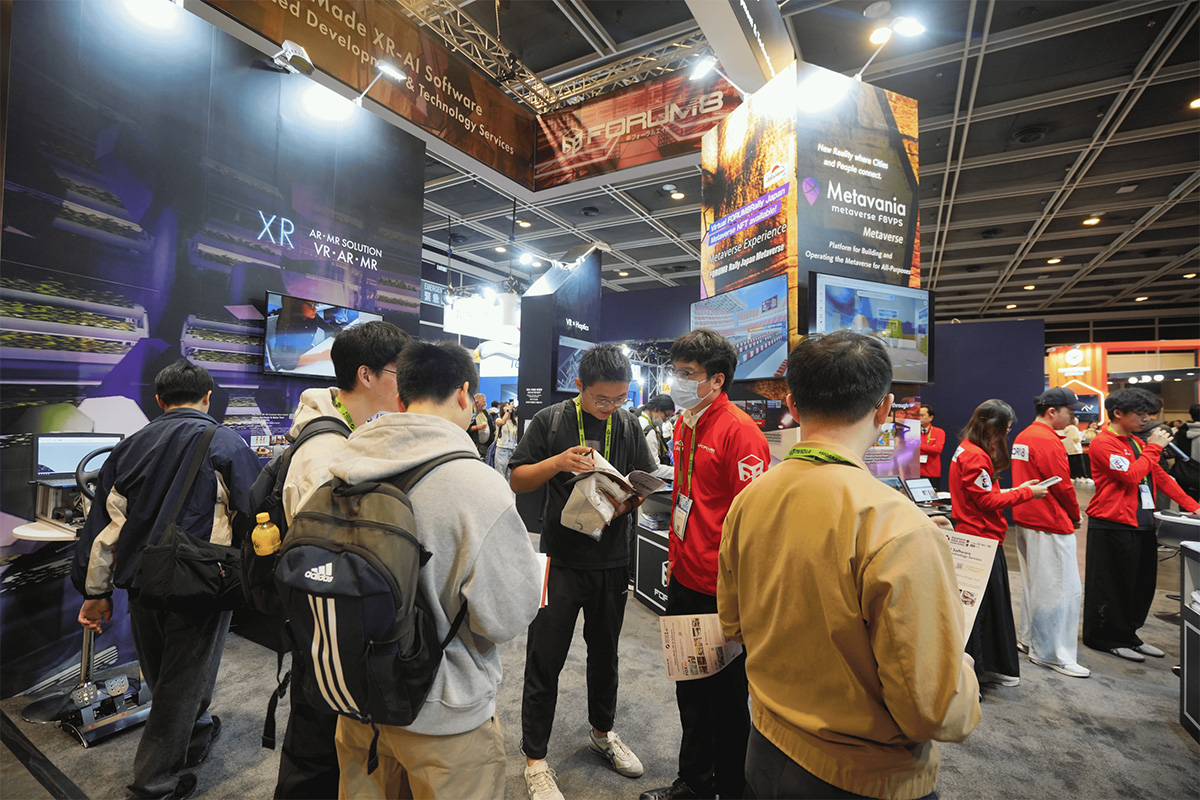
E4G: Lastly, if you had to single out one track, session, or experimental format launching at SIGGRAPH Asia 2026 that you’re personally most excited to see come together, what would it be, and why do you feel attendees should mark it on their calendars now?
Carrie de Souza: “I wouldn’t single out one particular track or session. What I’m most excited about is seeing “Weaving the Future” come together across the whole programme. Having been with SIGGRAPH Asia since 2014, I’ve seen the industry evolve dramatically, but 2026 feels particularly interesting because AI, real-time graphics, XR and immersive experiences are starting to converge in ways we couldn’t have imagined a few years ago.
For me, the exciting part is seeing those ideas move from research and experimentation into real creative applications. I’m looking forward to seeing what our community brings together and, hopefully, being surprised by a few things along the way.
That’s what I think makes SIGGRAPH Asia worth marking on the calendar: you come expecting to see what’s next, but you don’t always know exactly what that will look like.”
As our thanks for reading this Q&A, you can use code SA26E4G10 to get 10% off your SIGGRAPH Asia registration.
We want to thank Carrie de Souza for sharing a perspective on SIGGRAPH Asia 2026 and what makes it a key gathering for game developers, graphics professionals, and creators across the Asia-Pacific region and around the world.
For more interviews, discussions, and coverage of key game industry persons and happenings, please follow our social media channels: X, Bluesky, Facebook, Instagram, LinkedIn, YouTube.